The Science Behind Coconut Oil for Hair Care: The Biological Mechanisms of Deep Penetration and Protein Protection
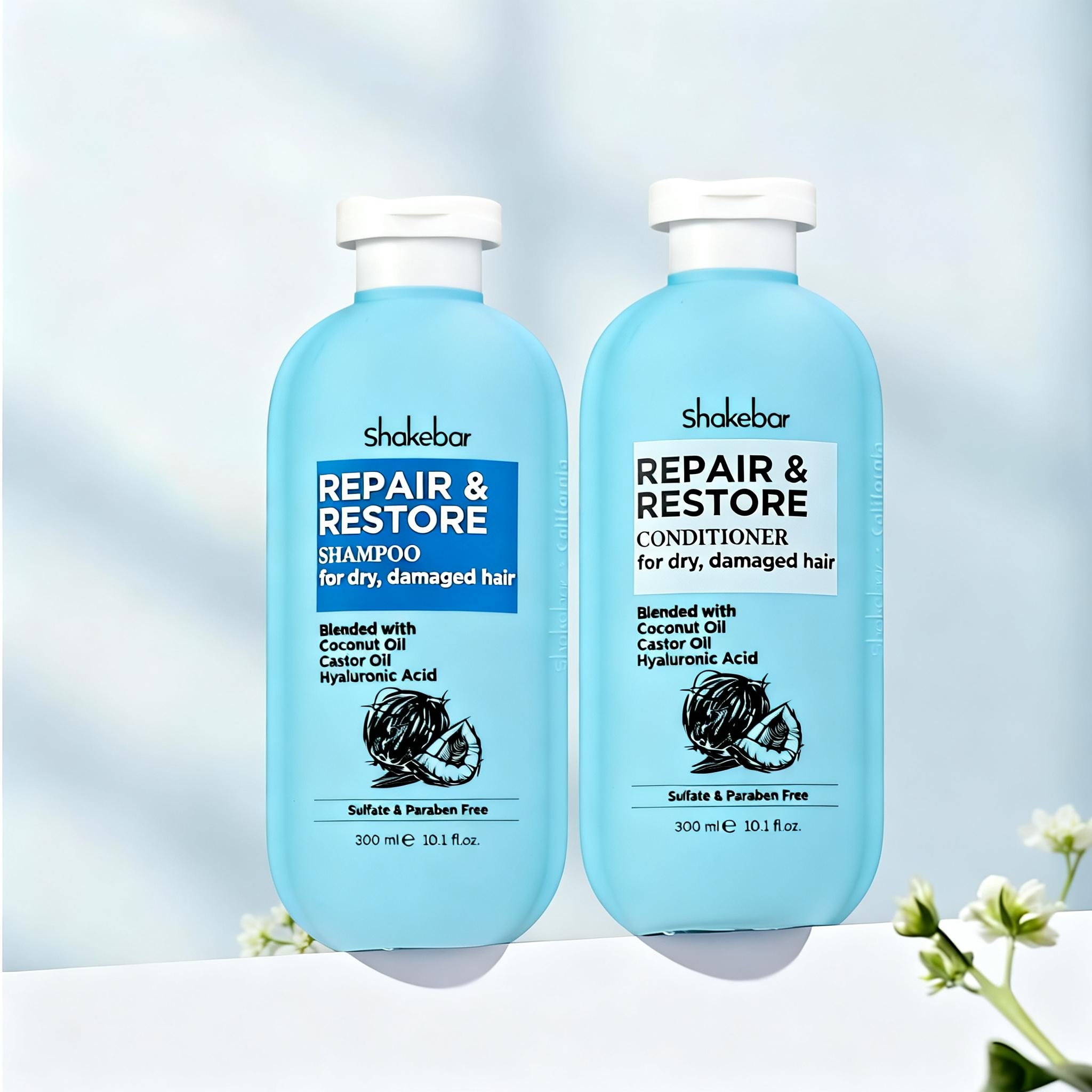
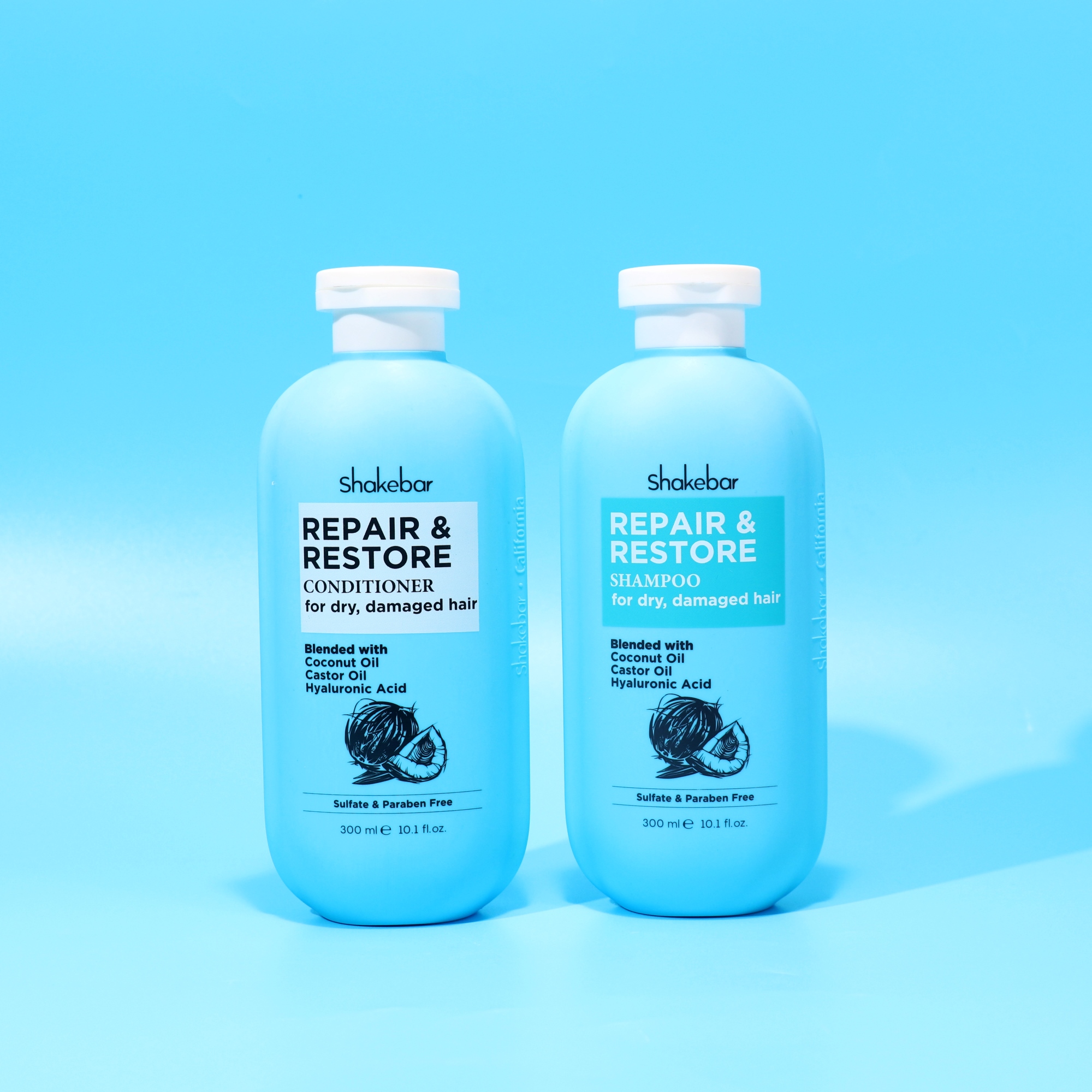
In the realm of natural hair care, coconut oil is often hailed as the “gold standard.” However, this reputation is not merely based on marketing slogans, but on solid biochemical evidence. For consumers seeking effective hair care, understanding how coconut oil improves hair quality at the molecular level is key to making informed purchasing decisions.
1. Molecular Advantages: Why Is Coconut Oil the Only One Capable of “Deep Penetration”?
Not all plant oils can penetrate the hair shaft. Most plant oils (such as sunflower oil or mineral oil) remain on the hair surface due to their large molecular structure or insufficient polarity, providing only temporary lubrication.
What sets coconut oil apart is its exceptionally high content of **lauric acid**. Lauric acid possesses the following two key characteristics:
· Low molecular weight: Compared to other long-chain fatty acids, lauric acid has a shorter molecular chain, making it easier to penetrate the gaps between hair cuticles.
· Polar affinity: Lauric acid has a strong affinity for keratin, the primary component of hair.
Conclusion: Scientific experiments have proven that coconut oil is one of the few oils capable of truly penetrating the interior of the hair shaft, thereby strengthening the hair structure from the inside out, rather than merely remaining on the surface to create a false sense of smoothness.
2. Core Benefit: Preventing Protein Loss
Hair is primarily composed of keratin, and activities such as shampooing, combing, and chemical treatments (coloring and perming) can lead to keratin loss, causing hair to become hollow, brittle, and prone to breakage.
According to a study published in the *Journal of Cosmetic Science*, coconut oil is significantly more effective than other oils at reducing protein loss. Its mechanism of action is as follows:
· Pre-wash Protection: Applying coconut oil before shampooing fills the internal voids within the hair shaft. When hair swells upon contact with water, this lipid barrier prevents the cuticles from opening excessively, thereby reducing keratin leaching during the washing process.
· Strengthening Internal Structure: Lauric acid penetrates the hair shaft and binds to protein chains, enhancing the hair’s tensile strength.
3. Hydrophobic barrier: Protection against environmental damage
Healthy hair is naturally hydrophobic, but damaged hair becomes hydrophilic, easily absorbing moisture from the air and leading to frizz.
By forming a thin hydrophobic protective layer inside and on the surface of the hair shaft, coconut oil effectively:
· Locks in moisture: Prevents internal moisture from escaping too quickly.
· Shield against humidity: Reduce static electricity and frizz caused by moisture absorption in humid environments.
· Minimize friction damage: Lubricate the cuticles to reduce physical wear and tear during daily combing.
Conclusion
Coconut oil’s enduring popularity in the hair care industry stems from its unique fatty acid composition, which perfectly complements hair structure. It is not only a natural lubricant but also a functional ingredient that penetrates deeply to provide physiological protection. For brands committed to delivering scientifically sound hair care solutions, coconut oil is undoubtedly an indispensable ingredient in their formulations.

“Liquid Gold” for Your Hair: Why Is Shea Butter a Lifesaver for Dry, Damaged Hair?
The Scalp's “Cleansing Agent”: Tea Tree Oil's Four Amazing Benefits for Shampooing and Hair Care